What to Say Between Songs: Stage Banter Tips for Singers
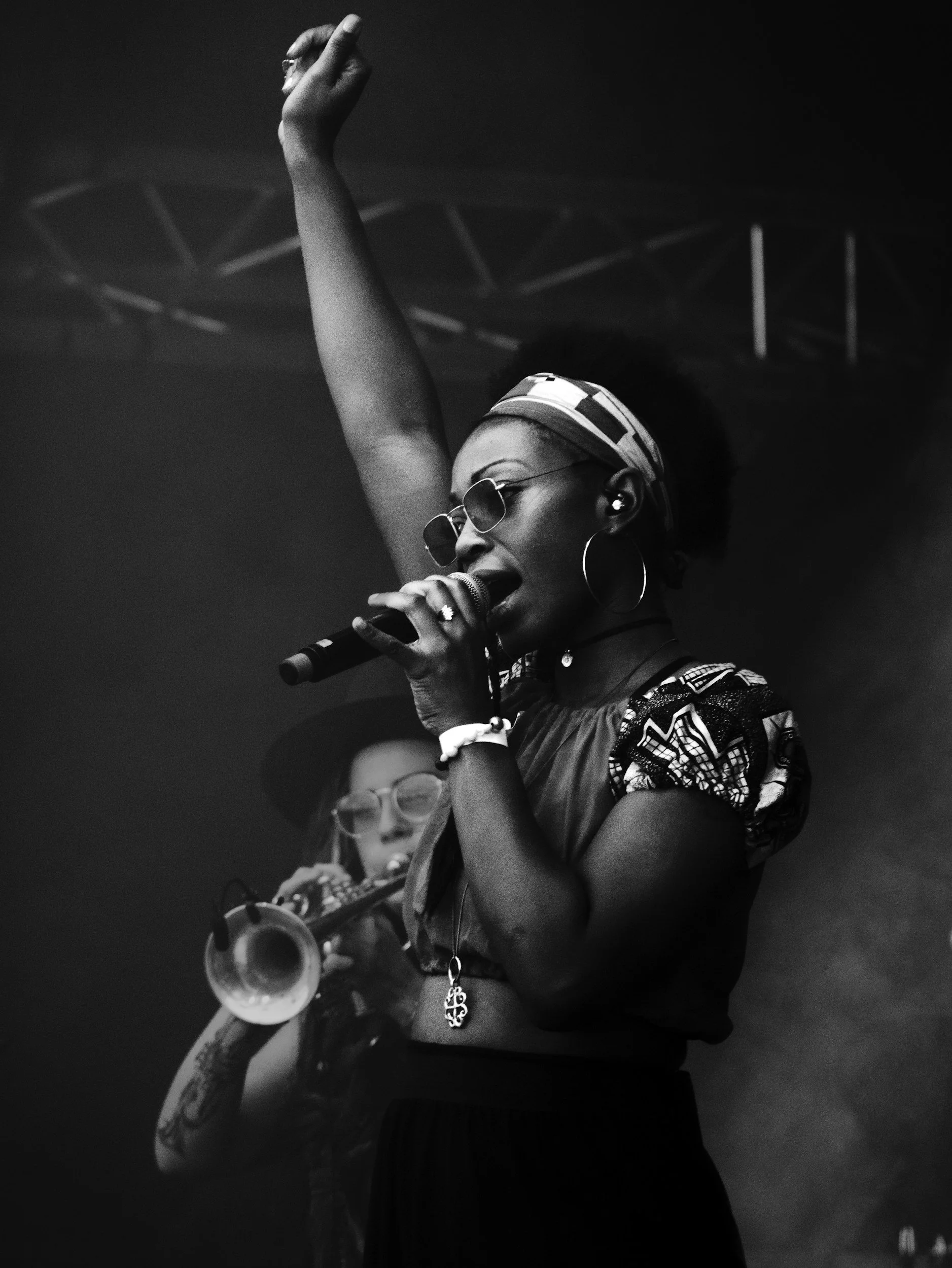
Photo by Julius Drost on Unsplash
The Gift of Gab (And Those Who Don’t Have It)
Some people have the gift of gab. Words come to them easily, in any setting, including when they’re on stage, talking to an audience.
But for most people, talking in front of others isn’t so easy. According to comedian Jerry Seinfeld, speaking in front of a crowd is considered the number one fear in America, with death coming in second; he famously quipped that at a funeral, most people would rather be in the casket than giving the eulogy.
The Illusion of Effortless Banter
I thought that stage banter was supposed to be easy because it seemed so natural and off-the-cuff when other performers did it.
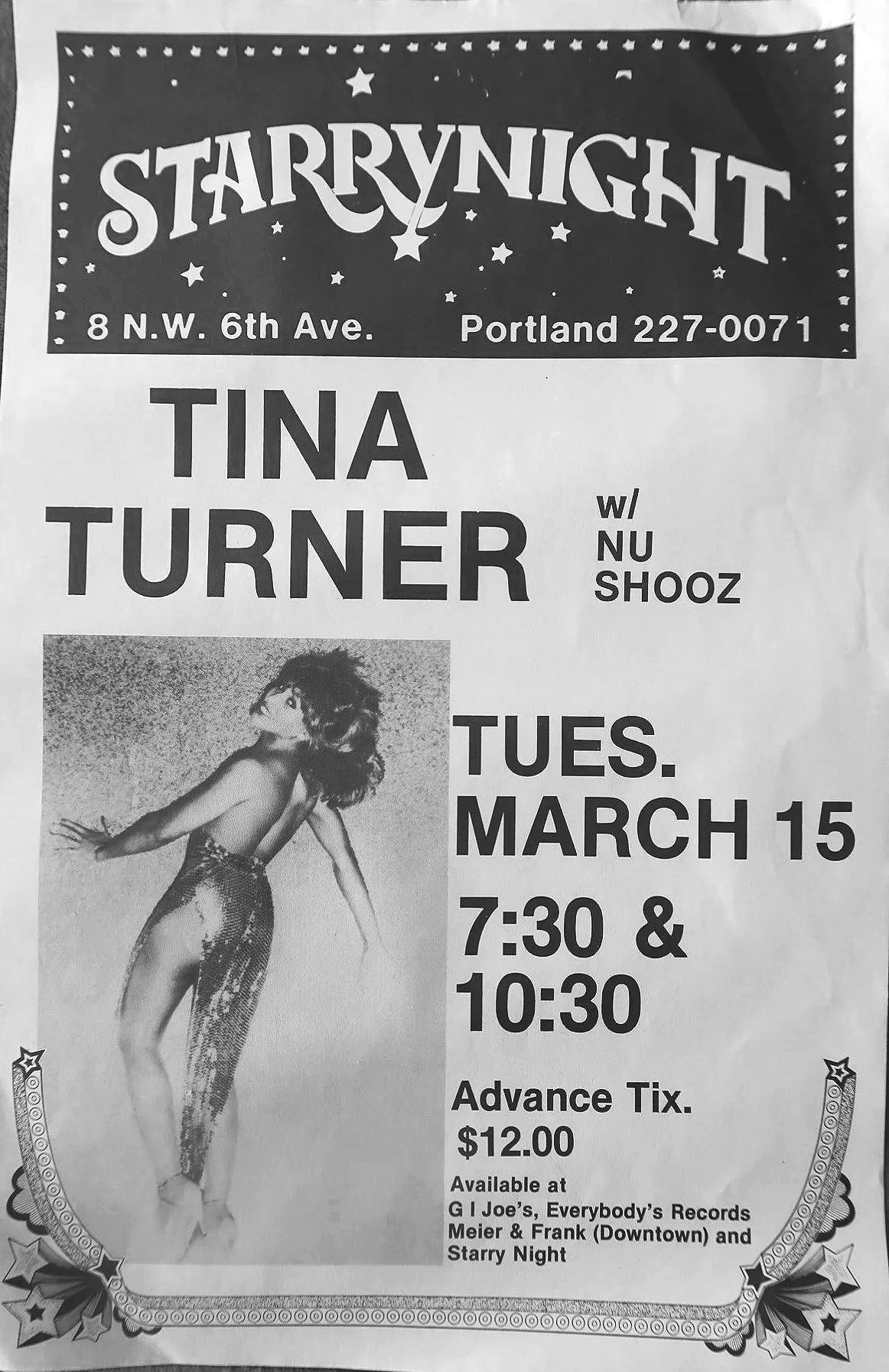
For instance, our band Nu Shooz opened for Tina Turner in the early 80s. We did two shows with her—one in Portland, one in Eugene. At the Portland show, I was mesmerized. Tina was a dynamo — full of energy and exuberance, and when she spoke to the audience, her words felt spontaneous and genuine. Her stage patter took the audience on an emotional journey, just like her music did. It seemed effortless, like she was making it all up in the moment. She had the audience in the palm of her hand.
Then came the Eugene show. And, to my surprise, she said the exact same things—word for word. But the way she delivered them made her words sound brand new. I was completely stunned. What a revelation! Great stage banter could be scripted! AND it could still feel totally real.
But here’s the thing: I didn’t know what to do with that revelation. I figured she’d developed her patter over decades, and that the best bits had simply stuck around. So I kept trying to improvise my stage talk on the spot. And I sucked — I was terrible at it.
Why Stage Banter Is So Hard
Eventually, I realized why it was so hard for me. Singing and speaking are both ways to communicate, but they use different cognitive modes. When I sing, there’s a structure to rely on, patterns I’ve practiced a thousand times, melody and rhythm supporting me—and then there’s the emotional expression flowing through the music. When I speak to an audience, it feels different—like I have to switch cognitive gears. I’m coming up with words on the fly, connecting in a totally different way, using speech without the structure that singing gives me.
For me, the shift feels really awkward, almost like grinding gears when you’re learning to drive a stick shift. Sometimes a song would end, and I’d feel like I’d just come back from another planet. Suddenly, I’d be standing there with a room full of people looking at me, waiting for me to say something coherent. Uh…
I knew something had to change, but I didn’t know what.
The Spectrum: Scripted to Improvised
You see, a part of me still thought I should be able to wing it—that real performers just make it all up as they go along. But the truth is, there’s a whole range between fully scripted and completely improvised, and everyone finds their own sweet spot. On one end of the spectrum, you have performers like Tina, who craft their words carefully and make them sound spontaneous. On the other end, you have natural storytellers who really do make it up as they go.
One natural storyteller I performed with for years is jazz musician Tom Grant. Tom has a gift for connecting with audiences that goes way beyond his musical talent. He’s naturally shy—a sensitive soul who sometimes sips a glass of red wine before going on stage to loosen up. But once he starts talking, he’s a natural storyteller, brilliantly weaving words together and taking the audience on a ride just like Tina did—in his own inimitable way, improvising in the moment. I loved listening to his stories night after night, so engrossed I’d forget we were on stage. And he never told them the same way twice.
But I’m not Tom. I’m not a natural storyteller. I had to find another way to be authentically me while talking to an audience.
The Turning Point: Deciding to Get Help
The turning point came one night after a jazz club gig. I’d been struggling between tunes, trying to come up with something to say. Thinking about it later on my way home in the car, I realized that I hadn’t learned to sing by just getting on stage and doing it—I’d practiced first. The same had to be true for speaking to an audience. I already knew this from jazz: you learn the vocabulary first, practice until it’s second nature, and only then can you improvise freely. You don’t just walk on stage and magically riff.
But I’d never thought to apply that same principle to talking on stage. I always assumed you either had the gift of gab or you didn’t. What finally dawned on me was that talking to an audience from a stage isn’t like everyday conversation. It’s its own skill, with its own techniques to learn and practice—just like singing.
And just like learning to sing better requires a skillful voice teacher, I needed help from someone who understood the craft of stage banter. My friend Kate—one of the producers of Live Wire, a radio show taped before a live audience in Portland—was perfect.
So I called her. She said yes, she’d love to help. And we got to work the next day.
I can still picture that first session with Kate in my office. It must have been spring—sunlight streamed through the window, brightening the room. Kate sat across from me with my set list in her hand. She leaned forward. “Tell me about this one,” she said, tapping the first song. And then came the questions, one after another…
What does this song mean to you, and why do you want to sing it?
When and where did you first hear it?
What was happening in your life at the time? Did the song resonate with what you were going through or reflect something you were feeling at the time?
Did it remind you of anything or anyone?
Do you know anything about the composer or why they wrote it?
Are there stories about the song or other singers who’ve performed it?
Her questions helped me find my way into each song’s story—and what it meant to me. Once I understood that meaning, I could share it with the audience, creating context for the song and inviting them into the song’s world. The audience is free to interpret the song however they wish, but sharing my own connection deepens our bond—and sets the stage for the music in a more powerful way.
Kate’s homework for me was simple: write a short intro for each song on my set list, reading them aloud as I wrote to make sure they sounded like me. I loved it. The songs came alive in a whole new way.
Learning to Practice Stage Banter
Once I had the written pieces, it was time to practice. Kate told me I didn’t need to memorize them word-for-word—just having them written down and riffing off them would work. My husband John, a fabulous writer and storyteller in his own right, gave me fantastic advice: know your beginnings and endings. You can meander in the middle, but if you know where you’re headed, you won’t get lost.
So I grabbed my highlighter and marked the beginning and ending of each song story with a bold swipe of color. Then I headed for the shower—not with the script in hand, of course, but I kept those highlighted pages nearby so I could peek out from behind the shower curtain whenever I forgot where to start or end. There’s something about the shower—the acoustics, the privacy—that makes it such a great practice space. Maybe it’s just the warm water getting blood to your brain. Anyway, whatever it is, practicing in the shower worked.
Once I got comfortable with song stories, I realized the same approach would work for everything else I needed to say on stage—introducing the band, mentioning where to find us online, even talking about merch without feeling like a used-car salesman. No matter what you want to say from the stage, the principle is the same: write it down, know your bookends, practice it until it feels natural, and make it your own.
Here’s How to Get Started
Write it down. Write out what you want to say, and read it aloud to make sure it sounds like you.
Know your bookends. Highlight the beginnings and endings. You can improvise in the middle, but knowing where you start and where you’re headed keeps you on track.
Practice everywhere. In the shower, in the car, during rehearsals—anywhere you feel safe experimenting.
Leave breadcrumbs. Once you’re comfortable, you don’t need the full script. Just keep key phrases or reminders in your set list.
With practice, your stage banter will start to feel natural—authentically you, whether it’s mostly scripted or partially improvised.
Now that you understand the process, what should you actually write scripts for? Besides song intros and stories, here are some other things you could talk about from the stage:
What to Talk About Beyond Song Stories
Kate’s questions were specifically about songs, but you can create similar discovery prompts for any stage content. The key is understanding your own “why” before you write. For example:
“Why do I want people to sign up for my newsletter?” (What value does it provide them?)
“What makes this band member special?” (What do I want the audience to know?)
“How can I talk about merch authentically?” (What story connects this item to my music?)
Here are the main content areas to develop scripts for:
A. Highlighting Your Band
Share special accomplishments and backgrounds of band members
Mention who arranged the song you’re about to play
Give context to help the audience appreciate the musicians
B. Practical Information
Newsletter sign-up (with incentives like free MP3s)
Merchandise availability and location
Upcoming gigs and where to find information
Soundcheck stories or behind-the-scenes moments
How to mention merch—like a thank-you
Here’s a simple way to mention merch that feels like connection, not a sales pitch.
For many singers, the most uncomfortable moment is mentioning merch. So, here’s a reframe: you’re not pushing product. You’re offering people a way to take the night home with them and keep living with the music after they leave the venue.
Option 1: keep it light.
“If you grab a CD or a download card, you can take the band home with you… without having to feed us or find beds for everyone.”
Option 2: keep it simple.
“If you want to take this night home with you, we’ve got CDs and download cards at the merch table. Thanks for supporting the music.”
You don’t have to sell it. Just let people know it’s there, and say thank you.
Then take a breath and move on.
The words matter—but the room matters, too. A line that feels warm and natural in a listening room might feel like too much at a corporate event, a noisy bar, or a background-music gig.
Which brings us to reading the room.
Reading the Room: Context Matters
Whether you’re playing for 50 people or 500, the core of what you say doesn’t change—but your delivery might. Think of it like the difference between screen acting and stage acting. In a big venue, you need a bit more projection and energy. In a small room, you can be more conversational. But you can still create intimacy on a big stage. It’s about connection, not volume.
Beyond size, consider the context. In an intimate venue, audiences who are focused on the music might even expect stories between songs. At a corporate event? Keep banter brief and professional. During background music gigs, less is more—save your stories for when people are actually listening. Read the room and match your approach to what the situation calls for.
Still Struggling? Steal Like An Artist
If you’re still struggling with what to talk about, do what Austin Kleon, author of Steal Like An Artist, recommends: steal from your favorite artists. Listen to what they say between songs and borrow the concepts—how they set up a tune, how they include the audience, how they reveal just enough story to create intimacy—then rewrite those moves in your own voice.
You can even make this a practice assignment: pick 3 performers you love, write down a few lines of banter you genuinely enjoyed, and translate each one into something you would actually say. The goal isn’t to copy them—it’s to borrow a structure that helps you sound like you.
Finding Your Voice on Stage
Stage banter isn’t simply about filling space or selling merch. It’s about connection. You’re inviting people who want to support you to come deeper into your music by sharing what these songs mean to you, what’s coming up next, and where they can find you again, whether that’s online, at shows, or through your mailing list. When you approach it this way, it feels less like selling and more like welcoming people into your musical world.
The most important thing to remember is that being real matters more than being polished. Make it feel genuine, not rehearsed. Even if you’ve practiced your banter (and you should!), say it in a way that sounds like you’re talking to friends, because, in a way, you are.
Finally, don’t forget the power of silence. As Margaret Shepherd beautifully wrote: “Conversation lets you be an artist every time you open your mouth—or shut it.” Just as music includes pauses, and visual art includes white space, conversation is about silences as well as words. You don’t need to fill every moment on stage with talking. Sometimes the most powerful thing you can do is simply let the music breathe—and let your audience breathe with it.